
Email marketing remains one of the most powerful tools in a marketer’s arsenal. It’s personal, cost‑effective and, when executed thoughtfully, incredibly profitable. Studies show that email campaigns generate between $36 and $40 in revenue for every dollar spent and that the average return on investment (ROI) exceeds 3,600% [demandsage.com] Some companies achieve even greater success: nearly one in five email marketers report returns above 7,000%, meaning $70 earned for every $1 invested [emailmonday.com] To unlock this potential, however, brands must look beyond isolated blasts and build coherent journeys that guide subscribers from first contact to lifelong advocacy. This article explains what the email marketing journey is, why it matters, and how to design a high‑converting series that nurtures relationships at every stage.
An email marketing journey refers to the sequence of communications a subscriber receives as they move from awareness to purchase and beyond. Each interaction builds on the last, ensuring that messages always match the recipient’s needs and level of engagement. According to specialists at Salesmate, every customer’s email journey is unique—shaped by their behaviours and interests—and therefore requires personalized interactions at every touchpoint [salesmate.io] Mapping that journey helps marketers visualize these touchpoints and tailor content for specific stages. Without a clear plan, brands risk sending generic blasts that feel irrelevant or intrusive. A journey‑based approach instead structures messages to educate, nurture and convert in a way that feels natural to the subscriber.
Email remains indispensable because people use it constantly. There are more than 4.48 billion email users worldwide, and 99% of them check their inboxes daily. With billions of messages sent and received each day, competing for attention is difficult—relevancy is critical. Research shared by Braze reveals that 76% of consumers feel frustrated when they don’t receive personalized experiences [braze.com] By aligning content to a subscriber’s journey stage—rather than bombarding them with generic promotions—marketers deliver more timely, helpful communications. This journey‑based strategy also drives measurable business impact: over half of consumers say marketing emails influence their buying decisions [marketerhire.com] Thoughtfully sequenced emails can nurture prospects toward purchase, loyalty and advocacy, transforming a single contact into a long‑term relationship.
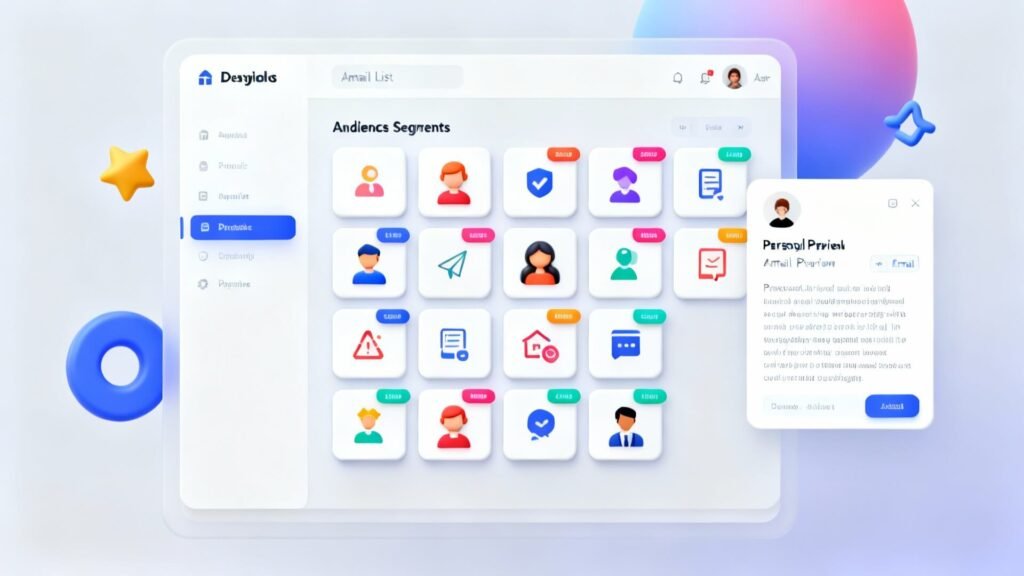
While every brand’s journey map will vary, most email programs follow a progression through five core stages: awareness, consideration, decision/purchase, retention and advocacy. Understanding each phase allows marketers to tailor messages that resonate and compel action. [mailtrap.io]
At the start, prospects have just discovered your brand and may be unfamiliar with your offerings. The goal is to capture their attention and encourage signup. Effective tactics include offering a valuable lead magnet—such as a free guide or discount—in exchange for an email address. A warm welcome email sets expectations and invites new subscribers to explore. It’s essential to keep these first communications friendly and low‑pressure, building trust before pushing products.
Once someone subscribes, they enter the consideration phase. Here, their mindset is, “I’m interested, but I’m still exploring.” Your role is to educate and nurture—sharing helpful resources, testimonials, usage tips and guides that show why your solution is worth their time. MarketerHire notes that journey‑based approaches match messages to where the subscriber is in the buying cycle, ensuring they receive relevant content instead of random promotions. Educational content, product comparisons and case studies build credibility and move readers closer to a decision without overwhelming them.
When subscribers demonstrate strong interest—such as visiting pricing pages or adding items to a cart—it’s time to encourage a conversion. Well‑timed promotional offers, limited‑time discounts, cart abandonment reminders and social proof can help convert intent into action. Transactional emails, such as order confirmations and shipping updates, also play a role by reassuring customers and suggesting complementary purchases.
The work doesn’t stop after the first sale. Retention is about delivering ongoing value so customers feel appreciated and continue buying. Post‑purchase email sequences might include onboarding tips, product tutorials, usage reminders and loyalty rewards. Personalization is essential here: tailored recommendations based on purchase history or user behaviour keep subscribers engaged. Retention campaigns foster brand loyalty and encourage repeat purchases, increasing the lifetime value of every customer.
In the advocacy stage, satisfied customers become promoters. Requesting reviews and referrals, highlighting community stories and inviting customers to share feedback can turn loyal buyers into brand ambassadors. For example, Mailtrap advises using advocacy emails to ask for reviews, offer referral incentives and celebrate milestones. Even small gestures—like a birthday message or a thank‑you note—reinforce the customer relationship and inspire word‑of‑mouth marketing.

Designing an effective journey requires more than just defining stages. It demands thoughtful strategy, segmentation, personalization, automation and ongoing optimization. Below are the steps to build a journey that converts.
Start by identifying your target personas and their goals. For each persona, outline key motivations, pain points and desired outcomes. Then map these insights to your journey stages, defining the purpose of each email. What do you want subscribers to think, feel and do after reading? Align content topics, tone and calls‑to‑action to these objectives. Clarity at this stage ensures every email has a clear purpose and supports the journey progression.
Segmentation divides your list into groups based on attributes like demographics, past purchases, behaviour or journey stage. Personalization then tailors content to each segment. Demandsage reports that 78% of marketers cite segmentation as their most effective strategy and 72% rely on personalization. Personalized subject lines increase open rates by around 26%, and dynamic content can raise click‑through rates even further. At a minimum, address subscribers by name and mention relevant topics; advanced personalization might include product recommendations or localized offers.
Automation ensures emails arrive precisely when they’re needed. Automated workflows generate much higher returns than one‑off campaigns—research compiled by EmailMonday notes that sophisticated automation can produce returns up to 30 times greater than manual campaigns [emailmonday.com]. Examples include welcome sequences sent immediately after signup, abandoned cart reminders triggered by inaction, reactivation campaigns for lapsed customers and loyalty messages based on purchase milestones. Automation platforms can branch workflows based on subscriber actions, creating personalized paths without manual intervention.
Compelling content keeps readers engaged. Use clear, concise language and focus on value. Storytelling works well: share customer success stories, showcase behind‑the‑scenes insights or explain how your product solves real problems. Break up text with headings, bullet points and images to improve readability. Always design for mobile—over half of emails are opened on mobile devices, so responsive templates are essential. Test subject lines, visuals and calls‑to‑action regularly; small tweaks can have outsized effects on open and click rates.
Timing matters. Industry research suggests that the best time to send marketing emails is between 9 AM and 3 PM on weekdays, with Tuesday, Wednesday and Thursday often yielding higher open rates. However, optimal timing varies by audience. Test different send times and monitor engagement metrics. Avoid excessive frequency; too many emails can lead to fatigue and unsubscribes. Focus on delivering high‑value content when recipients are most receptive.
Continuous improvement separates successful email programs from average ones. Monitor key metrics—open rate, click‑through rate, conversion rate, bounce rate and unsubscribe rate—for each journey stage. According to MailerLite’s 2025 benchmarks, the global average open rate is 42.35%, the average click rate is 2%, and the average click‑to‑open rate (CTOR) is 5.63%. Use these benchmarks as a guide; if your numbers lag, experiment with new subject lines, content formats or segmentation criteria. EmailMonday also reports that A/B testing can increase email ROI by more than 80%, highlighting the importance of experimentation.

Email marketing is evolving alongside consumer behaviour and technology. Artificial intelligence (AI) and machine learning enable predictive segmentation and dynamic content creation, automating personalization at scale. Generative AI tools can craft subject lines and messages optimized for engagement, freeing marketers to focus on strategy. Meanwhile, privacy changes—such as Apple’s Mail Privacy Protection—require marketers to rely less on open rates and more on click‑through and conversion metrics. Interactive emails (with embedded surveys, carousels or forms) offer new ways to engage subscribers without leaving the inbox. To future‑proof your journey, stay informed about emerging tools, focus on delivering value and continually test new approaches.
A high‑converting email marketing journey isn’t a one‑size‑fits‑all sequence. It’s a dynamic roadmap that reflects your audience’s needs, adapts to their behaviour and builds trust over time. By mapping the customer lifecycle, segmenting your list, personalizing content, automating triggers, optimizing design and measuring results, you can transform email from a simple broadcast tool into a relationship‑building engine. As research shows, email still delivers unmatched ROI and influences purchase decisions across B2B and B2C markets. When you invest in creating relevant, timely and thoughtful journeys, you turn subscribers into customers—and customers into advocates.
The dream of many boutique marketing and web‑design agencies is to grow into full‑service powerhouses. Yet the reality of scaling is far less glamorous. Hiring experienced SEO specialists can cost tens of thousands of dollars annually, and keeping up with ever‑changing algorithms and tools demands continuous training [www.elsner.com]. At the same time, visibility on Google is non‑negotiable: a study by Ahrefs found that 91 % of web pages get zero organic traffic from Google [www.ahrefs.com], while almost 62 % of consumers will disregard a business they can’t find online [www.sagapixel.com]. Digital marketing remains one of the most effective channels—three‑quarters of marketers believe SEO is the most effective digital marketing strategy [www.newsworthy.ai].
Without in‑house SEO expertise, agencies risk letting valuable leads slip away or losing clients to competitors who can deliver search‑visibility. Enter white‑label SEO services, an outsourcing model that lets you offer professional SEO under your own brand. As we’ll explore, partnering with an experienced provider gives your agency immediate access to expert talent, scalable resources and branded reporting, allowing you to focus on client relationships and sales. This article will guide you through the what, why and how of white‑label SEO, provide actionable tips and dispel myths, so your agency can transform from startup to powerhouse.
White‑label SEO—also called private‑label SEO—allows agencies to offer SEO services to their clients while outsourcing the actual fulfilment to another company [www.livechat.com]. You remain the face of the operation: your clients receive reports and deliverables branded with your logo, while a team of SEO specialists performs keyword research, link‑building, on‑page optimisation and analytics behind the scenes.This model means you can deliver comprehensive search‑engine services without investing in expensive tools or building an internal SEO department.
In practice, the workflow looks like this:
A professional white‑label SEO provider usually offers multiple service tiers to meet different client needs.Typical components include:
Using a provider who offers all of these services means your agency can become a one‑stop shop for digital marketing.
SEO is multifaceted—technical SEO, content strategy, link building and analytics each require specialised knowledge. Many small agencies lack dedicated staff who can handle these tasks at an expert level. Building an in‑house team is costly: according to Elsner’s 2025 guide, hiring a full‑time SEO team often costs $50,000 or more per year, whereas white‑label agencies provide access to specialists for an affordable monthly fee. These costs don’t include software subscriptions, training and employee benefits.
Every time you decline SEO work because you don’t have the capacity, you leave recurring revenue on the table. With 46 % of all Google searches having local intent and 50 % of smartphone users visiting a store within a day of performing a local search [www.forbes.com], demand for SEO—especially local search—has never been higher. Without outsourcing, your existing team may be stretched thin trying to keep up with both web design and SEO campaigns, leading to missed deadlines and inconsistent results. This time pressure can cause burnout and jeopardise client relationships.
A staggering 91 % of web pages get zero organic traffic from Google, primarily because they lack backlinks and proper optimisation. If your clients’ websites fall into this category, they won’t appear in search results and your agency will struggle to demonstrate value. Meanwhile, a news report notes that 75 % of marketers consider SEO the most effective digital marketing approach for driving traffic and visibility. Without SEO expertise, agencies risk becoming obsolete in the digital landscape.
Consider a three‑person web design agency in Bekasi, Indonesia. Their clients start requesting SEO to improve local search presence. The founders attempt to learn SEO through online courses but quickly realise that staying current with Google’s algorithm updates and performing effective link outreach demands full‑time effort. They decide to partner with a white‑label provider. Within six months, the agency is offering comprehensive SEO packages, retaining existing clients and attracting new ones. Their story underscores how outsourcing can transform capacity and revenue while allowing the team to focus on design and customer service.
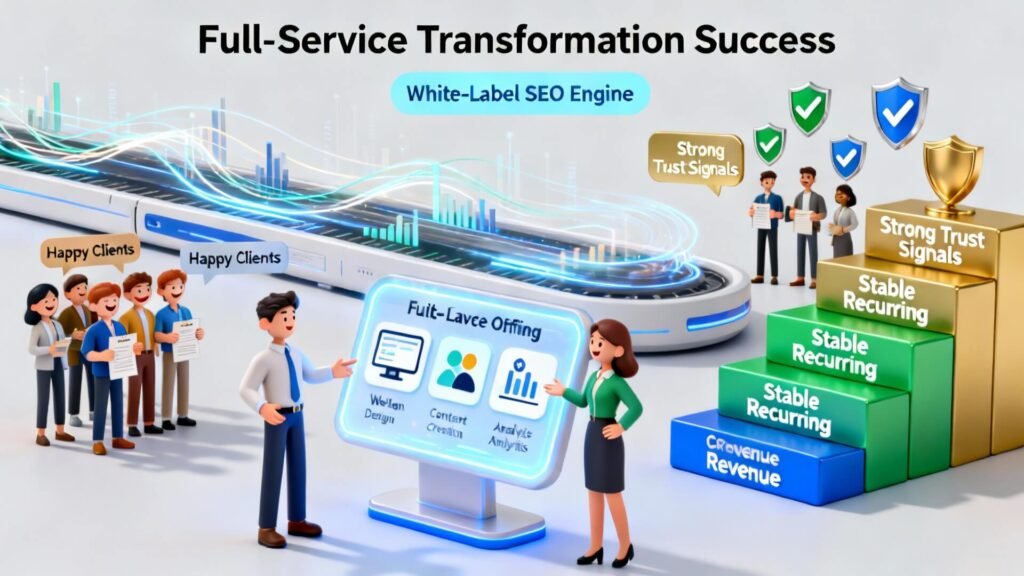
One of the greatest advantages of white‑label SEO is the ability to scale services instantly. Instead of recruiting, training and paying an in‑house team, you can leverage the resources of a partner agency. Elsner notes that white‑label SEO agencies enable you to expand your services up or down based on demand, ensuring you don’t have to scramble to hire experts when client requests surge. This scalability is crucial for small agencies that experience fluctuations in workload.
Clients rarely care about who does the work; they care about results. White‑label SEO providers supply branded reports and dashboards, meaning your agency appears to deliver in‑house expertise. This seamless client experience builds trust, increases satisfaction and enhances your reputation. In fact, agencies that add SEO to their services see a 32 % increase in client retention, because offering a full suite of digital marketing solutions makes it less likely for clients to seek another provider.
White‑label SEO packages are usually offered at wholesale rates, which you can mark up to create healthy margins. Combined with monthly retainers, this leads to predictable recurring income. A study of local SEO campaigns found that they deliver an average ROI of more than 500 % over three years [www.rankomedia.com]—a compelling argument for agencies to include SEO in their portfolio. This level of return far exceeds many other marketing investments, demonstrating why SEO remains a core driver of profitable growth.
Not all providers offer the same breadth of services. Before partnering, ensure they include the following core elements:
On‑page SEO ensures each page is optimised for target keywords and user experience. Providers should manage keyword research, title and meta description optimisation, header tags, internal linking and image alt text. They should also deliver technical SEO tasks such as creating and submitting XML sitemaps, improving site speed, ensuring mobile responsiveness and implementing schema markup.
Acquiring high‑quality backlinks remains a major ranking factor. Your partner should conduct outreach to secure guest posts, niche edits and directory citations. They may use manual outreach, press releases or relationships with bloggers to gain editorial links. Because 66 % of web pages have no backlinks, building a robust link profile is essential for climbing the search results.
SEO is incomplete without compelling content. Many white‑label providers offer copywriting and blogging services, crafting articles that answer user intent and incorporate targeted keywords. They might develop content clusters around core topics (such as “local SEO” or “white‑label marketing”) to build topical authority and interlink posts for better rankings.
For agencies serving small businesses, local SEO is critical. With 46 % of searches on Google having local intent, your partner should optimise Google Business Profiles, manage local citations across directories and help clients earn reviews. They may also implement location‑based content strategies to target “near me” searches.
White‑label SEO providers should offer comprehensive, customisable reporting. Monthly or biweekly reports should highlight keyword rankings, traffic, conversions and backlinks. Real‑time dashboards let you and your clients monitor progress [www.dashclicks.com]. Without transparent reporting, it’s impossible to demonstrate ROI or adjust strategies effectively.
Some providers expand into related areas such as pay‑per‑click (PPC) management, social media marketing or web design. Others offer AI‑driven SEO tools that automate keyword research and content optimisation [www.salesforce.com], or integrate with CRMs and project management platforms. Evaluate whether these extras align with your agency’s long‑term goals.
Selecting a provider is a critical decision that affects your reputation and client outcomes. Consider the following factors:
A reliable partner will share details about their methodologies—how they conduct keyword research, build links and handle algorithm updates. Look for case studies or references that prove they can deliver results in industries similar to your clients. Make sure they follow ethical, white‑hat SEO practices and don’t guarantee unrealistic results (such as first‑page rankings within a week).
Robust reporting is non‑negotiable. You should have access to customisable reports and dashboards that you can rebrand. High‑level summaries help clients understand progress at a glance, while detailed metrics allow you to refine strategies. Ask potential partners to provide sample reports before signing any contract.
Ensure the provider can handle multiple projects simultaneously and adapt to fluctuating workloads. They should offer different service tiers—pay‑as‑you‑go, monthly retainers or performance‑based pricing—so you can match packages to client budgets. Confirm that they have enough staff and resources to maintain quality as your client base grows.
White‑label SEO pricing structures vary:
Review contracts for minimum terms, cancellation policies and refund guarantees. Transparency about pricing helps prevent surprises and ensures profitability.
You’ll need a dedicated account manager or point of contact who can answer questions and relay information promptly. Evaluate their responsiveness during the sales process. Consider time‑zone compatibility—being in Bekasi (UTC+7), you may prefer a partner whose work hours overlap with yours.
Check reviews on third‑party sites like Clutch or G2. Look for providers with a history of successful partnerships and ethical business practices. Avoid agencies that outsource again to third parties without disclosure.
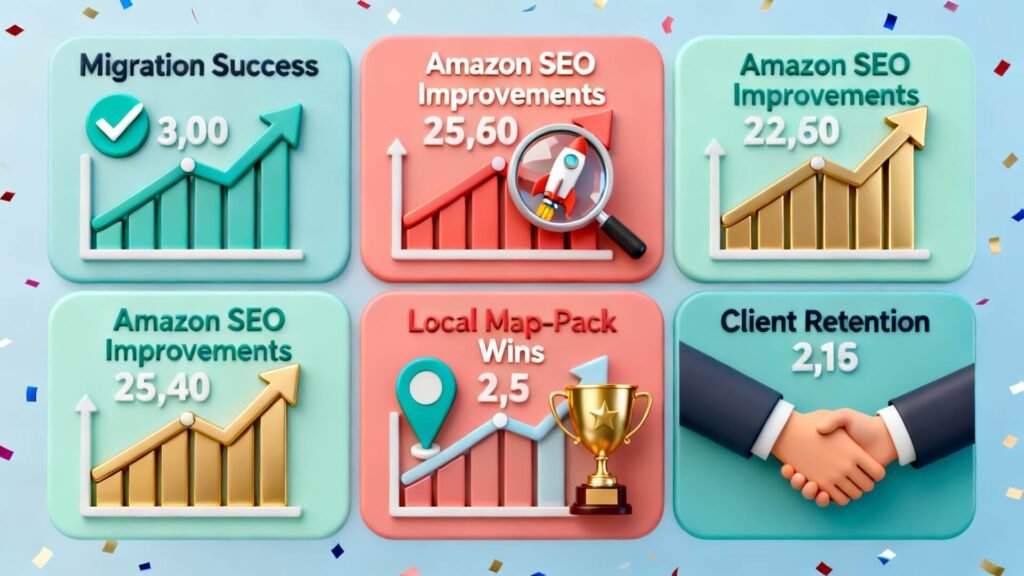
An eCommerce design and development agency in South Carolina partnered with Galileo Tech Media to deliver SEO services on a white‑label basis. The agency sought help with website migrations, keyword research and technical SEO. Galileo’s team identified technical errors that were blocking website indexing and SEO growth and planned a migration strategy. Thanks to this partnership, the agency was able to fully service its clients’ SEO and content needs without adding headcount and met complex, deadline‑specific requests due to Galileo’s ability to scale [www.galileotechmedia.com].
Several marketing agencies also partnered with Galileo to handle Amazon SEO tasks for clients’ product pages. Galileo performed Amazon audits, keyword research and SEO copywriting. The results included streamlined content creation workflows and improved product page rankings and sales. The agencies were able to focus on other projects while Galileo managed the technical aspects of Amazon optimisation.
Another case involves a small Indonesian restaurant chain that outsourced local SEO to a white‑label provider (name withheld for privacy). Within six months, the chain’s Google Business Profiles were fully optimised, resulting in the restaurant appearing in the top three map pack positions for “best nasi goreng Bekasi.” Phone calls and walk‑in traffic increased by 40 %. The agency, previously focused solely on social media management, now offers recurring SEO packages to other local businesses.
These examples highlight several key points:
Artificial intelligence is transforming SEO. According to Salesforce’s guide, AI‑powered tools can automate time‑consuming tasks such as keyword research, content optimisation and link building. Machine‑learning algorithms also provide real‑time analytics and performance metrics, enabling data‑driven decisions. As AI models like GPT‑4o and generative search features become integrated into search engines, white‑label providers that harness AI will deliver faster insights and more scalable solutions.
Some trends to watch:
A 2025 study ranking 400 white‑label SEO agencies found that white‑label SEO has become a critical growth lever for digital agencies, allowing them to deliver high‑quality SEO without expanding internal teams [www.onelittleweb.com]. As more providers enter the market, competition will drive innovation in reporting, transparency and AI integration. Agencies should evaluate partners not only on price but also on their ability to adapt to new technologies and algorithm updates.
White‑label providers are expanding beyond core SEO. Many now offer digital PR, content marketing, PPC management and AI tools. This diversification allows agencies to deliver fully integrated marketing solutions under one umbrella, increasing customer lifetime value and reducing client churn.
Scaling a small agency doesn’t have to mean endless hiring or learning every discipline under the digital sun. White‑label SEO services provide an agile, cost‑effective path to growth, empowering you to deliver expert results while focusing on what you do best—building client relationships and creative strategies. By leveraging specialised partners for on‑page optimisation, technical fixes, content, link building and analytics, agencies can offer comprehensive digital marketing packages that increase client retention and profitability.
As statistics reveal, local search intent is high, ROI on SEO can exceed 500 % and the majority of web pages currently receive no organic traffic. With demand surging and competition fierce, now is the time to harness white‑label SEO to transform your startup into a powerhouse agency. Embrace the future of AI‑driven optimisation, choose partners wisely, and don’t let limited resources hold you back. Implement these strategies, share your success stories, and engage with peers—your agency’s growth potential is unlimited.