
Visual advertising isn’t new, yet it’s continually reinvented by technology. In today’s crowded digital landscape, people encounter thousands of visual cues daily across websites, apps, social media and connected TV. To stand out, brands rely on strategic, data-driven approaches rather than random banner placements. This is where display advertising services become indispensable. These services blend creativity, advanced targeting and programmatic technology to deliver ads that capture attention, drive engagement and support broader marketing goals. This article explains why professional display advertising services are crucial for modern marketers, explores the ecosystem and formats, outlines the benefits and best practices, and highlights emerging trends and challenges.
Display advertising refers to visual ads placed on websites, mobile apps, social media platforms and other digital properties. At a basic level, the ecosystem consists of three key players: advertisers who create ads, publishers who provide real estate for ads, and intermediaries (ad networks and supply-side platforms) that connect the two. Modern display advertising relies heavily on programmatic technology—automated buying and selling of ad inventory using real-time bidding (RTB). In milliseconds, algorithms evaluate available impressions, user data and advertiser bids to determine which ad appears on a specific page or app. This process makes display advertising scalable and efficient, allowing brands to reach massive audiences while targeting specific demographics, interests or behaviors.
To appreciate the power of display advertising services, it’s helpful to understand the range of ad formats and technologies available. The most familiar format is the banner ad: static or animated images in standard sizes such as 300×250 pixels (medium rectangle) or 728×90 pixels (leaderboard). Though simple, banners can be effective when paired with compelling copy and targeted placements. Rich media ads go further by including interactivity—expandable panels, video players or mini-games. These ads invite users to engage directly without leaving the page. Video ads have exploded in popularity thanks to high-speed internet and streaming platforms; they appear before, during or after video content (in-stream) or within content feeds (out-stream). Native ads blend seamlessly with the surrounding content, matching the platform’s look and feel to reduce ad fatigue. Finally, responsive ads automatically adjust size and format across devices, ensuring consistent user experiences on desktops, tablets and smartphones.
Display advertising services help brands navigate this complexity. Professionals advise on the best mix of formats based on campaign objectives, audience demographics and budget. For example, a consumer goods brand seeking widespread awareness might use a combination of large-format banners, video ads and rich media across premium news sites and lifestyle blogs. A B2B brand targeting decision-makers could focus on native ads in industry publications and retargeting banners to nurture leads. Agencies also manage the technical aspects of programmatic buying, from setting bid strategies and frequency caps to controlling brand safety and fraud prevention.
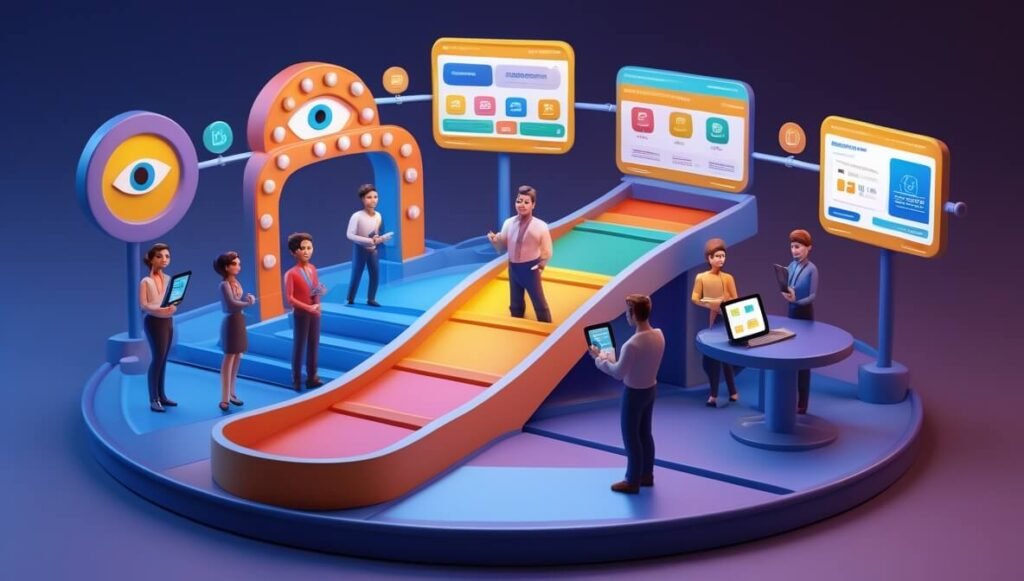
Display ads deliver unique advantages that complement other digital marketing channels. First, they build brand awareness at scale. Unlike search ads that rely on user intent, display ads can introduce your brand to potential customers while they read articles or check email. This top-of-funnel exposure is critical for new product launches or brand repositioning. High-impact formats like rich media and video capture attention and convey brand personality through visuals, sound and interactivity. Human brains process images faster than text, so visual storytelling leaves a lasting impression.
Second, display advertising allows for precise targeting. Through programmatic platforms, advertisers can target audiences based on demographics (age, gender, location), interests (sports, fashion, technology), behaviors (online shopping, travel booking, job searching) and contextual signals (content topics, website categories). Retargeting lets you show ads to people who visited your site or used your app, reminding them of products they viewed or left in their cart. Combining first-party data (collected through your own website) with third-party segments amplifies reach while maintaining relevance.
Third, display ads are cost-effective, especially compared to TV or print. Cost-per-thousand (CPM) pricing allows advertisers to control spend by setting maximum bids and daily budgets. You can also pay for performance (cost-per-click or cost-per-action) when campaigns aim to drive conversions. Programmatic technology continually optimizes bids, targeting and creative rotation to maximize results within your budget. Because inventory is auctioned in real time, marketers avoid overpaying for impressions that may not convert.
Fourth, display advertising supports the entire funnel, not just awareness. With careful segmentation and messaging, ads nurture prospects through consideration and conversion stages. For example, educational whitepaper ads may target mid-funnel leads, while discount banners and time-limited offers prompt final purchase decisions. Display ads also drive traffic to webinars, product demos and in-store events, fostering engagement beyond the click.
Fifth, display advertising complements other channels, enhancing cross-channel performance. When users see ads across multiple touchpoints—web, mobile, social media and email—the brand stays top-of-mind. Studies show that multi-channel campaigns can boost engagement significantly compared to single-channel efforts. Display ads can amplify search and social campaigns by generating new intent; for instance, a user who sees your banner may later search for your brand or click an organic social post.
Finally, professional services provide measurability and transparency. Advanced analytics tools track impressions, clicks, conversions, viewability (how many users actually saw the ad), and time spent interacting. Attribution models help you understand how display ads contribute to outcomes like sales or leads, even when users convert through other channels. Clear reporting is essential for optimizing creative, placements and bidding strategies. Agencies help interpret these metrics and provide actionable insights to refine campaigns over time.
A well-structured display campaign begins with clear objectives. Are you aiming to increase brand awareness, drive website traffic, generate leads or boost sales? Next, identify your target audience using demographic and behavioral data. Develop customer personas that capture motivations, pain points and media consumption habits. These personas help refine targeting and creative messaging.
Professional display advertising services excel at selecting the right platforms and ad networks for your goals. They evaluate inventory quality, audience reach, targeting capabilities and cost efficiencies across supply-side platforms (SSPs) and demand-side platforms (DSPs). Some campaigns may focus on premium publishers like news sites and niche blogs; others may prioritize broad networks that maximize reach at low CPMs. Social platforms (Facebook Audience Network, Instagram, LinkedIn) offer powerful targeting based on interests and professional roles, while Google Display Network provides access to millions of websites and apps.
Creative development is the next critical stage. Design ads that align with your brand identity and speak directly to your audience. Use strong headlines, clear value propositions and compelling calls to action. High-resolution images or video snippets convey your message quickly and evoke emotion. At the same time, ensure the design adapts to multiple screen sizes and meets platform specifications. Interactive elements (swipe, click, expand) can increase time spent with the ad, but they should not distract from the core message.
Setting budgets and bidding strategies requires balancing exposure with efficiency. Display advertising often runs on CPM, but you can also bid on clicks or conversions. Professional services analyze historical data, forecast performance and recommend budget allocations across platforms and formats. They set frequency caps to avoid overexposing users and causing ad fatigue. Geographic, device and daypart targeting refine delivery further: for example, serving ads to urban millennial women on mobile devices after work hours.
Once campaigns launch, continuous monitoring and optimization are essential. Agencies track real-time performance and adjust bids, creative rotation and targeting based on what works best. A/B testing compares different versions of headlines, images, CTAs and landing pages to determine which combinations drive higher engagement and conversions. Viewability metrics ensure ads are seen (not hidden below the fold), and brand safety filters protect your brand from appearing on inappropriate websites.
Integrating display ads into broader marketing efforts multiplies their impact. Retargeting sequences can follow email campaigns or search ads to reinforce messaging. Display ads can also build lookalike audiences for social media campaigns, attracting new prospects who resemble your best customers. When combined with CRM data, display ads can deliver personalized offers to existing customers, fostering loyalty and repeat purchases.
Effective display advertising strikes a balance between creative flair and contextual relevance. The most beautiful design won’t perform if it appears to the wrong audience or at the wrong time. Likewise, perfectly targeted ads need fresh creative to avoid blending into the digital noise. Professional services ensure your creative resonates with the environment in which it appears. For example, a humorous, colorful ad might thrive on an entertainment website but feel out of place on a serious news site. Native ads require subtlety; they must match the publisher’s tone and layout while still conveying your message.
Storytelling remains crucial across formats. Display ads are often the first encounter someone has with your brand, so they should hint at a broader story and invite users to learn more. A simple headline—“Ready for Your Next Adventure?”—paired with an image of a hiker evokes curiosity and aligns with an outdoor retailer’s narrative. Rich media and video ads allow you to tell more complex stories: a 15-second clip can introduce characters, set a mood and highlight key benefits. Sequential messaging, where ads reveal different parts of a story over multiple interactions, keeps audiences engaged and moves them along the funnel.
Accessibility and inclusivity are increasingly important. Ensure colors, fonts and contrast meet accessibility standards so that all users can read and interact with your ads. Provide alt text for images and transcripts for video to accommodate users with visual or hearing impairments. Thoughtful design choices not only broaden reach but also reflect brand values and social responsibility.
Another aspect of context is device optimization. Users consume content differently on desktops, tablets and smartphones. A large-format leaderboard may look striking on a desktop but become tiny and illegible on a phone. Responsive ads adjust layout, text size and image cropping to ensure legibility across devices. Mobile-first design prioritizes short copy, vertical videos and easy-to-tap buttons. Meanwhile, interactive mobile formats such as swipe cards or haptic feedback can enhance engagement if implemented tastefully.
Finally, creative burnout is real. Even the best ads lose effectiveness when shown repeatedly. Rotate fresh creative, adapt to seasonal themes and incorporate user-generated content to keep campaigns vibrant. Services monitor performance metrics to detect declining click-through rates or rising costs, signaling when it’s time to refresh assets.
The display landscape is evolving rapidly. Here are key trends to watch:
Despite its benefits, display advertising faces several challenges:
Each challenge also presents an opportunity to innovate. Instead of fighting ad blockers, some brands experiment with ad-light experiences—subscriptions or loyalty programs where users voluntarily allow ads in exchange for exclusive content or discounts. For measurement, new technologies like incrementality testing measure the lift attributed to display campaigns by comparing audiences exposed to ads with control groups who are not. Moreover, new data partnerships enable privacy-preserving cross-channel attribution, giving marketers a holistic view of the customer journey.

Display advertising doesn’t exist in a silo. Its value multiplies when integrated with other channels. Here are strategies to harmonize display with your broader marketing efforts:
Professional services facilitate these integrations by sharing data across platforms, coordinating creative and ensuring compliance with privacy regulations. They often recommend full-funnel attribution models that allocate credit across top-, mid- and bottom-of-funnel activities. This approach highlights how display ads contribute to brand awareness, lead nurturing and conversions, helping you justify investment and optimize budgets.
Display advertising remains one of the most versatile and impactful tools in digital marketing. When executed thoughtfully—using data-driven targeting, compelling creative and cross-channel integration—it provides unmatched opportunities to build awareness, nurture relationships and drive sales. However, the complexity of the ecosystem, the rise of privacy regulations and the proliferation of ad formats call for professional expertise. Display advertising services offer guidance on platform selection, bid strategies, creative design, fraud prevention, measurement and optimization. They help brands stay ahead of emerging trends such as AI personalization, cookieless targeting, immersive formats and programmatic TV.
Investing in display advertising services is not just about buying media; it’s about creating meaningful connections with your audience. By balancing art and science, your brand can cut through the noise, deliver personalized experiences and build loyalty in an ever-changing digital environment. As marketing continues to evolve, display ads will remain a vital piece of the puzzle—especially when supported by experts who understand the nuances of modern media and consumer behavior.
A marketing automation consultant looks beyond a single channel to orchestrate a seamless experience across email, SMS, social media, push notifications, websites and even physical stores. By uniting these interactions around the customer, consultants unlock higher engagement and revenue while saving teams time and budget.
This article explores how marketing automation consultants help businesses move beyond email to build cohesive omnichannel strategies. We’ll define the consultant’s role, explain why omnichannel engagement matters in 2025, examine core responsibilities and competencies, outline strategies for delivering cross‑channel engagement and provide guidance on choosing the right consultant. You’ll leave with a deeper understanding of how a consultant can align data, technology and creativity to create customer journeys that feel personal, consistent and persuasive.
A marketing automation consultant is a specialist who helps organizations streamline and enhance their marketing processes by implementing automation tools, aligning campaigns with customer journeys and enabling personalized experiences. According to marketing advisory firm Vendasta, consultants guide businesses through strategy formulation—defining goals, selecting tools and mapping customer journeys—and then handle execution, including setting up landing pages, email templates, nurture workflows and training internal teams. They also provide ongoing support by optimizing automation sequences, incorporating advanced features such as personalization and A/B testing, and analyzing performance data to refine campaigns.
Consultants must possess a blend of technical and strategic expertise. They need to understand various marketing platforms (CRM systems, email automation, SMS gateways, social schedulers) and know how to integrate them using tools like integration platform as a service (iPaaS) solutions. They must be conversant with digital marketing fundamentals—audience segmentation, content marketing, search optimization—and have strong analytical skills to interpret customer data and campaign metrics. Equally important are project management abilities and communication skills; consultants work with multiple stakeholders to align marketing automation with business objectives, train teams, and ensure adoption.
The value proposition is clear: by leveraging expert knowledge, businesses can implement sophisticated automation faster, avoid common mistakes and free internal teams to focus on strategy rather than technical setup. Consultants also stay up‑to‑date on evolving trends such as AI‑driven personalization and data privacy regulations, helping organizations remain competitive.

Email remains a powerful marketing channel, but consumers interact with brands across many digital and physical touchpoints. An omnichannel strategy seeks to provide a seamless, hassle‑free experience across all channels relevant to the customer. Mailjet’s omnichannel marketing guide defines this approach as meeting your audience wherever they are—across devices, platforms and in‑store experiences—and ensuring interactions advance the customer journey instead of starting over each time. The article explains that omnichannel marketing is a customer‑centric approach rather than company‑centric; it requires businesses to view through their audience’s eyes and stand in their shoes.
Omnichannel engagement unlocks several benefits:
In 2025, consumers expect brands to remember their preferences and provide relevant offers wherever they interact. If you limit automation to email, you miss opportunities to engage customers on their preferred channels and risk losing them to competitors with more cohesive experiences.
What does it take to drive omnichannel engagement? A competent marketing automation consultant addresses three fundamental dimensions: strategy, execution and optimization.
Consultants begin by understanding your business goals, target audience and customer journey stages. They help define key performance indicators (KPIs) and select marketing automation platforms that fit your budget and needs. During this discovery phase, consultants also identify the channels most relevant to your audience. Belkins, an omnichannel marketing agency, stresses that successful omnichannel strategies do not attempt to use every available channel; instead, they focus on the handful of channels that matter most to your audience and industry. For example, LinkedIn might be crucial for B2B lead generation, while SMS and push notifications resonate more with younger consumers. Consultants conduct user research to understand channel preferences and craft messaging that aligns with the purpose of each touchpoint.
Once the strategy is in place, the consultant configures and integrates marketing tools. Integration is critical for omnichannel success because customer data must flow seamlessly across systems. Cazoomi’s forecast of marketing automation trends notes that integration via iPaaS platforms will become indispensable by 2025, connecting CRM systems, social media and marketing channels to unify data and deliver insights efficiently. Consultants set up data synchronization between your CRM, e‑commerce platform, social media ads manager, email service provider and SMS gateway so that all teams share the same customer profiles.
After integration, consultants implement the automation workflows—building landing pages, designing email templates, scripting SMS messages and setting up triggers based on user behaviors. They ensure that each channel plays its part in the overall sequence. For example, if a user abandons a cart, the journey might start with a reminder email, followed by a push notification or SMS if the email is ignored, and finally a retargeting ad on social media. Insider’s marketing automation guide illustrates how cross‑channel orchestration works: their journey builder, Architect, automates messages across websites, mobile apps, email, SMS, push notifications, WhatsApp and voice channels, sending reminders and follow‑ups until the desired action occurs. Consultants replicate such orchestrations using the tools you already own, ensuring timing and messaging are contextually relevant.
Automation isn’t set‑and‑forget. Consultants monitor engagement metrics, conversion rates and customer behavior to refine flows and content. They test different sequences, subject lines, call‑to‑action placements and channel mixes. AI is increasingly important here. Cazoomi predicts that AI‑powered personalization will analyze customer behavior across multiple channels to deliver hyper‑personalized experiences, making generic emails obsolete. Consultants can integrate AI features such as predictive lead scoring or product recommendation engines to deliver targeted content. They also ensure compliance with data privacy laws and maintain ethical standards when leveraging customer data.
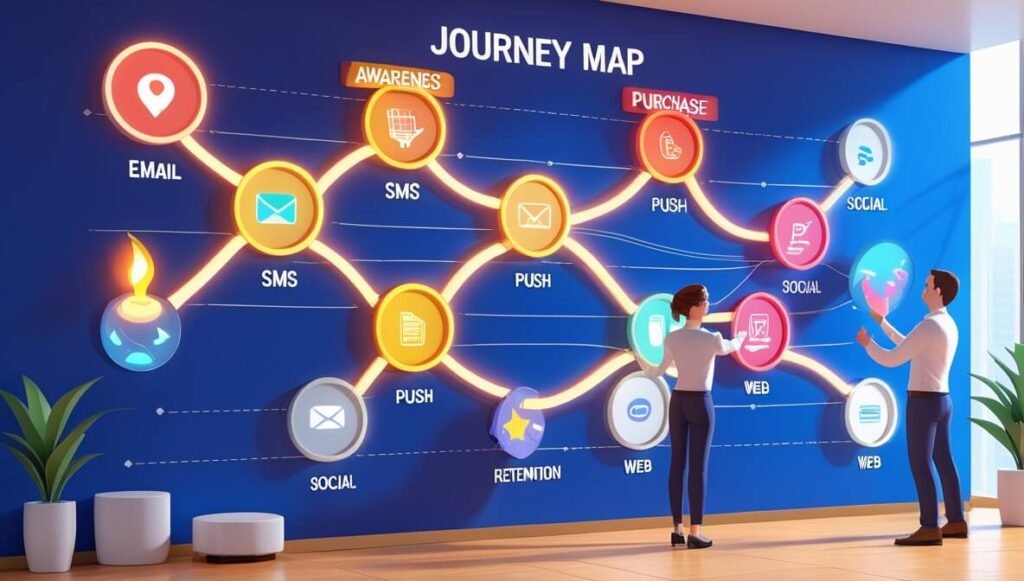
A marketing automation consultant doesn’t just set up tools; they design holistic strategies that weave together diverse channels. Here are key tactics they employ:
Omnichannel marketing requires a single source of truth for customer data. Consultants start by auditing existing data sources and establishing data hygiene practices. They use integrations to merge behavioral data (web visits, email clicks, purchase history) with demographic and transactional data from your CRM. Valtech, a digital transformation firm, explains that connected experiences arise when offline and online touchpoints are combined to enrich client profiles and drive interactions before, during and after physical experiences. In their Dolby SoHo case study, Valtech integrated offline event data with online activity to unify profiles and personalize automated communications, enabling granular segmentation and tailored messaging across the customer journey. Consultants replicate such approaches by connecting point‑of‑sale systems, loyalty programs and CRM databases.
Not every channel suits every stage of the customer journey. Consultants map the journey from awareness to retention and decide which channel best supports each step. For example:
Mapping these journeys helps consultants deliver the right content at the right time on the right channel.
Personalization increases relevance and conversion, but it requires granular segmentation based on behavior, interests and lifecycle stage. Marketing automation platforms can generate dynamic content or offers automatically. Consultants configure these features to tailor subject lines, body copy, product recommendations and send times. They also implement predictive analytics to determine which leads are most likely to convert and which channels they prefer. As Comosoft’s overview notes, integrated analytics and customer journey mapping tools allow you to track behavior, identify pain points and adapt messaging quickly.
Another dimension is regional or demographic personalization. Not all channels or content types resonate across cultures or age groups. Belkins highlights that regional preferences shape channel effectiveness—for example, email may be more popular in North America, while WhatsApp and Facebook Messenger dominate in parts of Asia. Consultants research your audience to ensure cultural relevance and compliance with local regulations.
Omnichannel strategies aren’t only digital. Many customer journeys include physical interactions—events, call centers, retail stores. Consultants incorporate these into automation flows. Valtech describes how combining offline and online touchpoints enriches the client profile and drives deeper engagement. For instance, after someone attends an event, an automated sequence might send a personalized recap email, followed by an SMS coupon valid in‑store. When the customer visits, the sales associate can access their profile to recommend relevant products. Consultants also ensure that phone calls and customer service interactions are logged in the CRM and trigger follow‑ups, closing the loop between marketing and customer service.
Data is the foundation of omnichannel marketing. Consultants set up dashboards and reporting to monitor key metrics—open and click rates, SMS response, social engagement, revenue attribution and customer lifetime value. They watch for drop‑off points in the journey and adjust channel mix or messaging accordingly. Comosoft advises prioritizing features like real‑time data synchronization and comprehensive analytics when choosing a platform; these enable quick adaptations and evidence‑based decisions. Consultants also conduct A/B tests across channels, test send times and frequency, and evaluate the incremental impact of each channel. The ultimate goal is to refine the orchestration so that customers receive just the right number of touchpoints to encourage action without fatigue.
Not all consultants are created equal. When evaluating candidates or agencies, consider the following criteria:
In a world where customers glide between devices and channels, relying on email alone is no longer sufficient. A marketing automation consultant helps organizations architect journeys that span email, SMS, social media, push notifications, voice, web and offline interactions. By understanding customer behavior, integrating data across platforms and orchestrating cross‑channel workflows, consultants deliver consistent experiences that improve engagement and conversions.
Adopting an omnichannel approach also means rethinking metrics—from open rates to lifetime value—and aligning departments around shared customer insights. With the right consultant, brands can move beyond ad‑hoc campaigns to build automated journeys that make customers feel recognized and valued at every step. This investment pays off in higher ROI, stronger loyalty and a marketing machine that continues to learn and improve.